PCI DSS Compliance Scope for SaaS Subscription Platforms
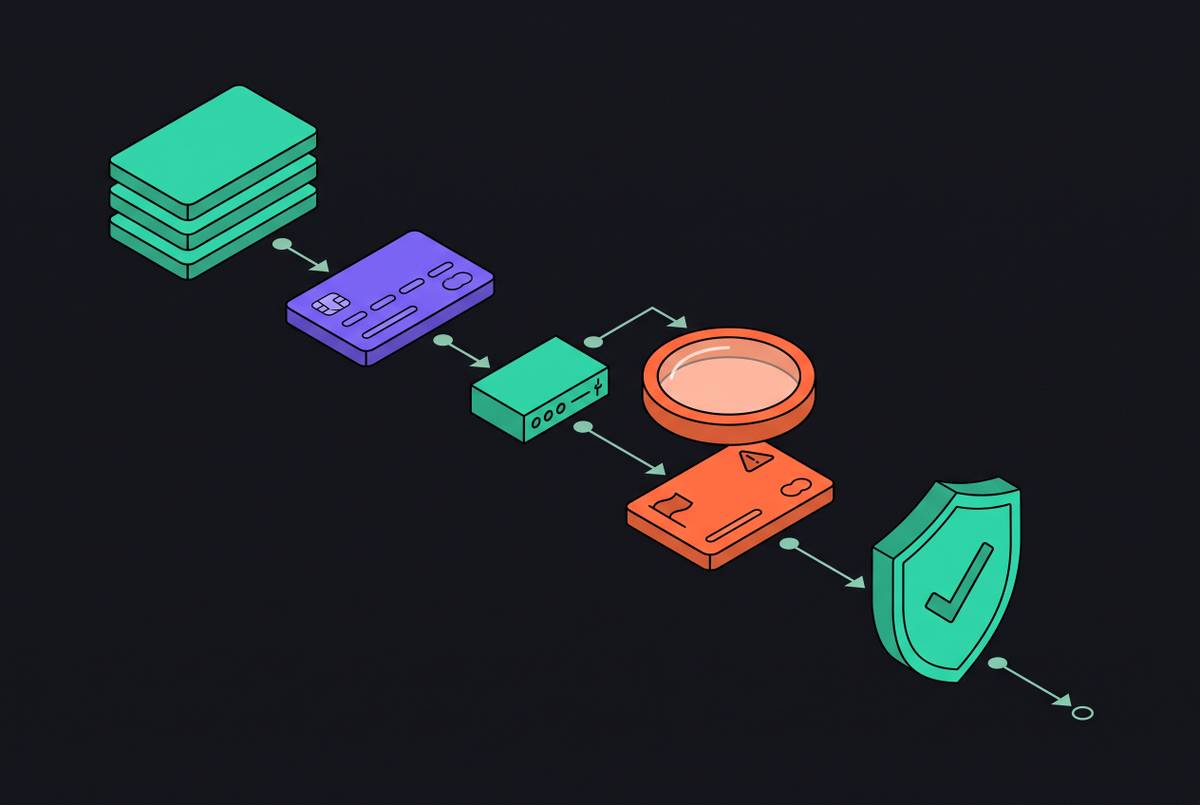
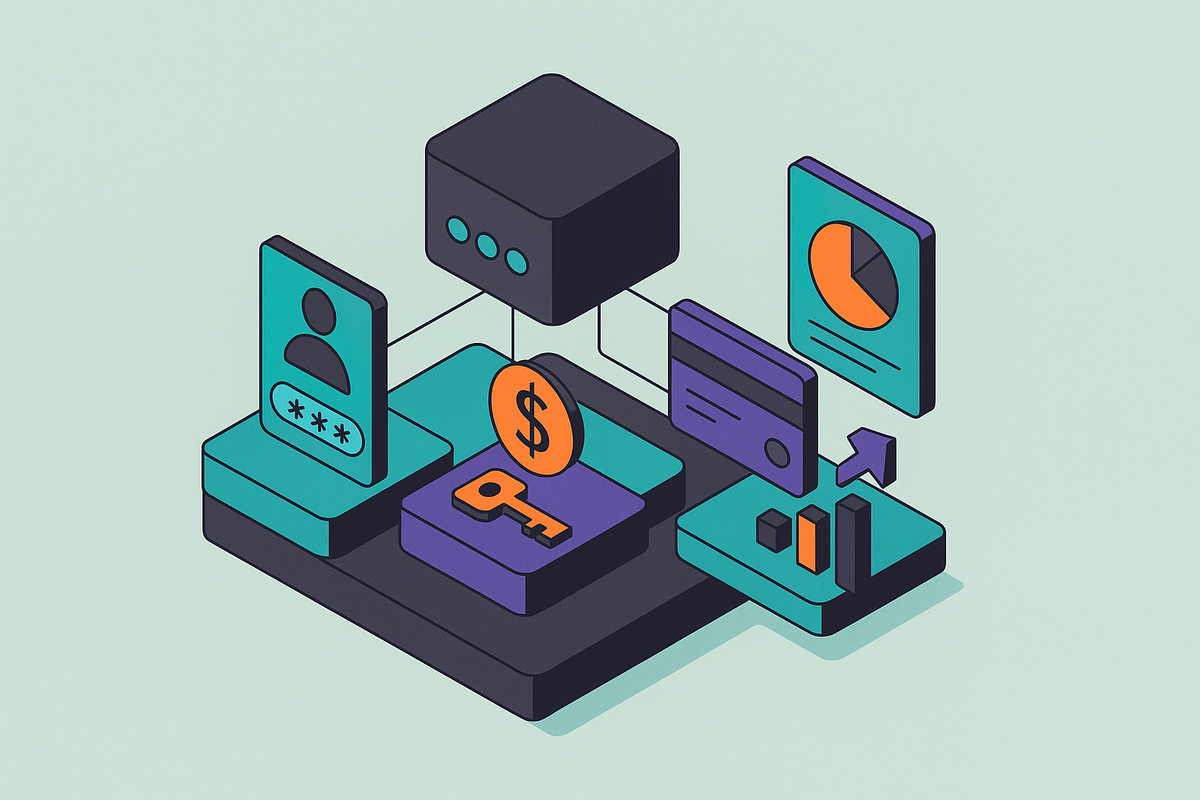
Reducing your cardholder data environment shrinks compliance costs and audit burden dramatically.
Alma Trevino
Section
18 stories in Tax Compliance, Chargebacks, and GDPR.
Reducing your cardholder data environment shrinks compliance costs and audit burden dramatically.
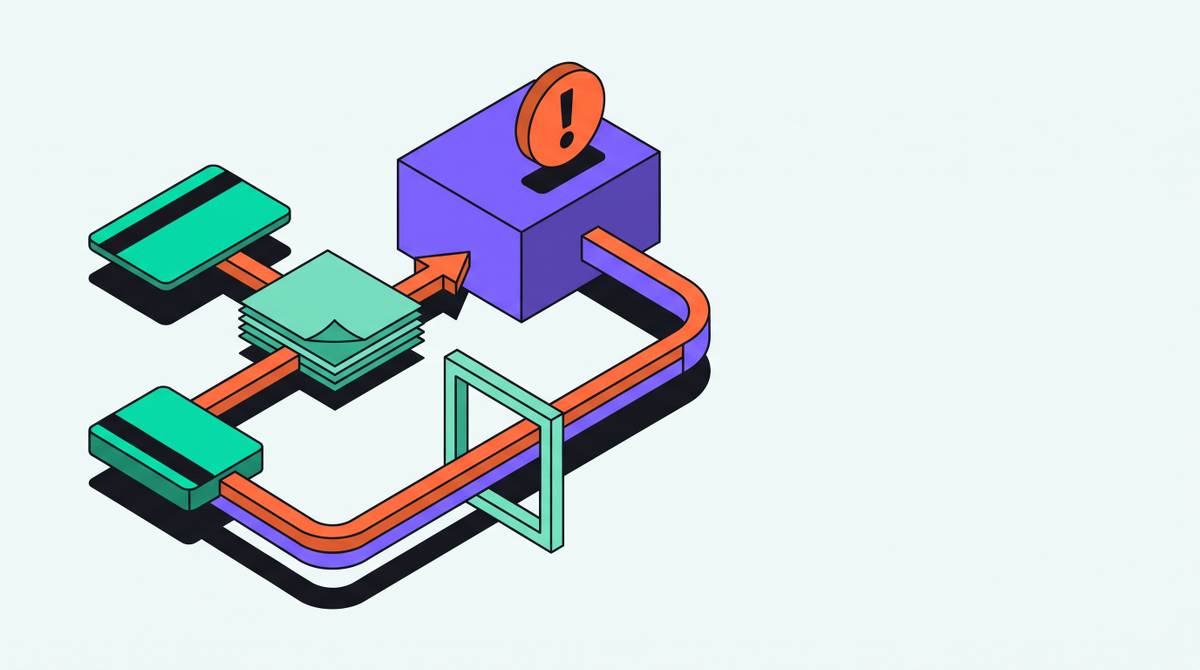
Three billing patterns reveal how to spot friendly fraud before disputes arrive.
SaaS vendors need a signed DPA before processing EU user data.
SaaS tax compliance splits into three layers most founders miss until authorities arrive.
Different countries tax the same SaaS product three different ways.
Four technical decisions determine whether your SaaS product faces a GDPR fine.
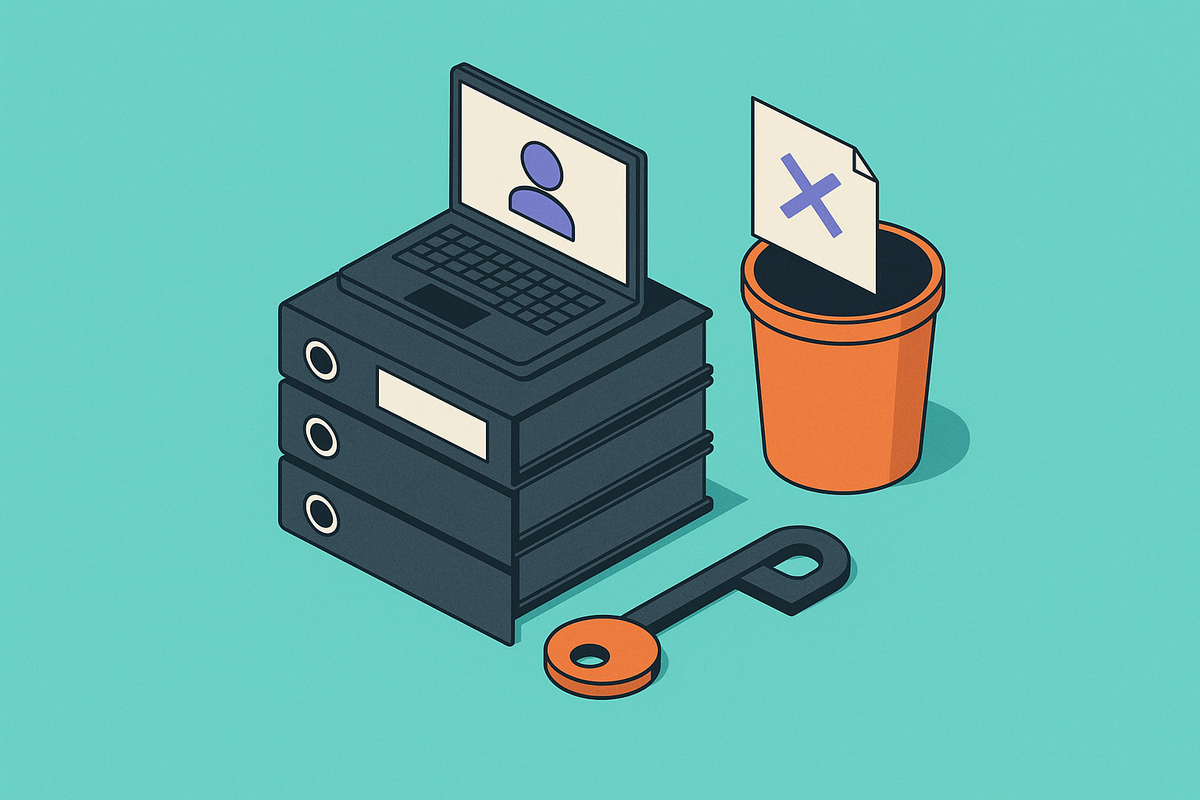
SaaS companies must map where user data lives across systems to actually delete it when requested.
Where your MoR is based determines your tax regime and which privacy laws apply to your sales.
SaaS companies lose money either way when they misclassify chargebacks.
Regulators are cracking down on incomplete data deletion across systems beyond the main database.
SaaS companies lose twice as many chargebacks as they should.
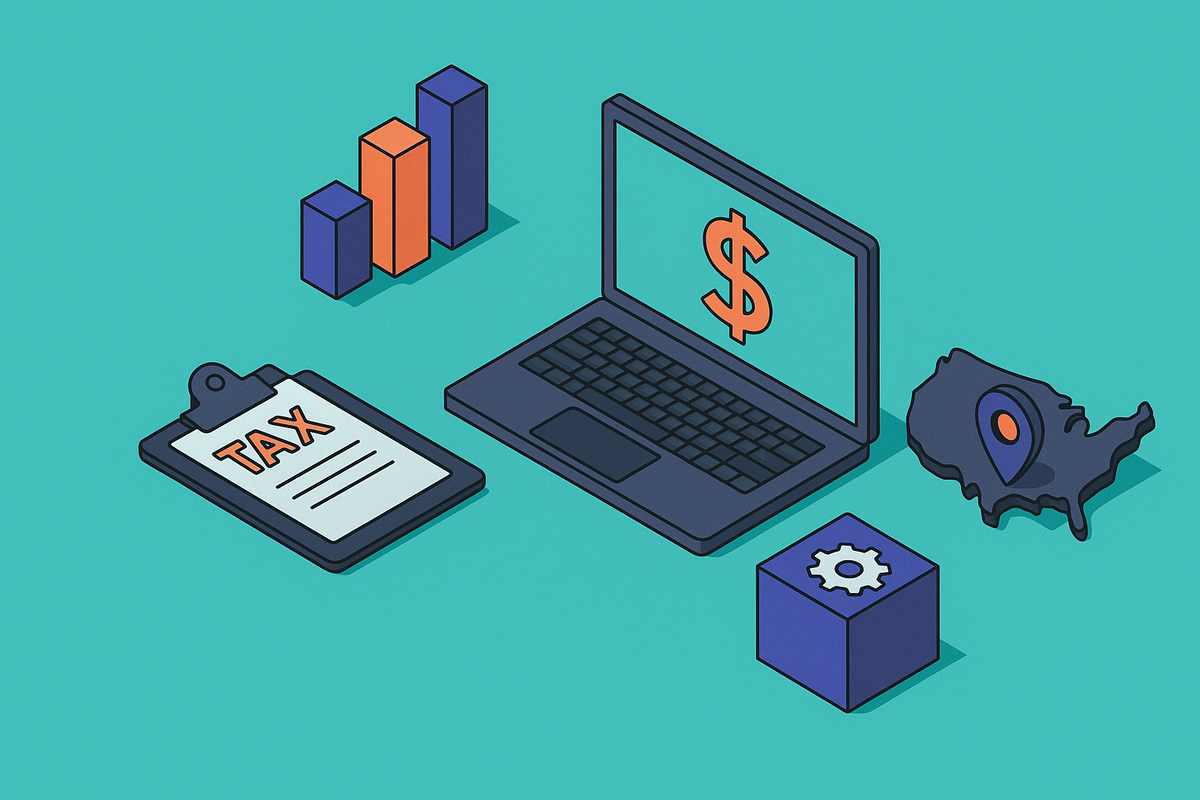
Understand which states require SaaS tax collection and why most founders get it wrong.
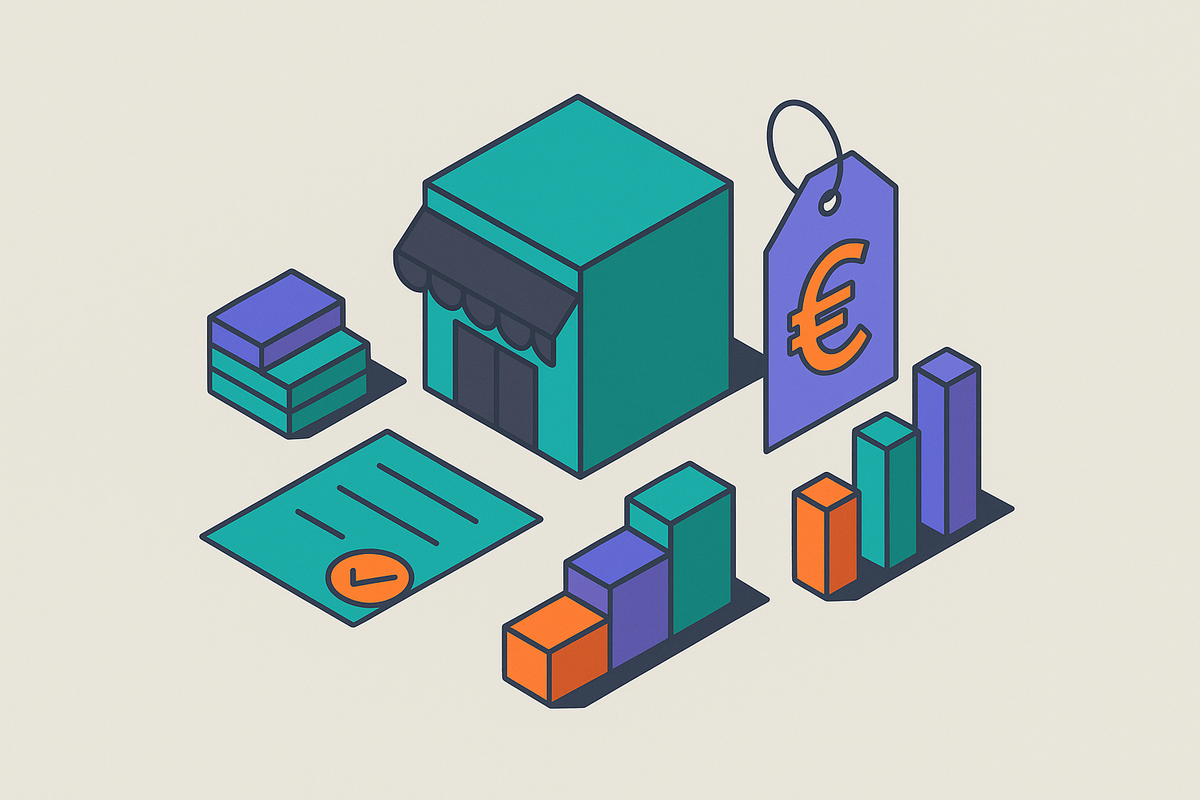
How hidden fees and regulatory complexity stack up when you outsource European tax compliance.
Most merchant of record platforms stop at payments, leaving authentication and analytics to you.
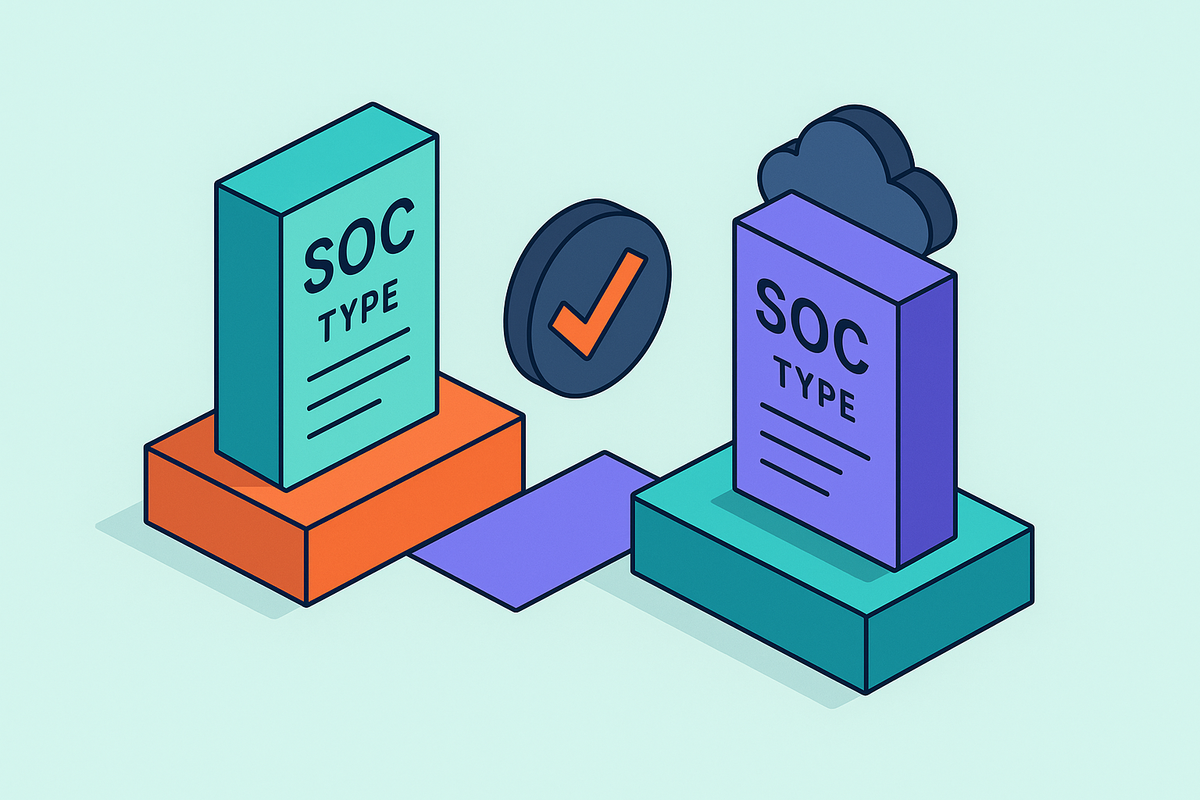
Type 1 proves your controls existed once; Type 2 proves they worked consistently over months.
Chargebacks cost far more than refunds—in fees, time, and network penalties.
Non-EU SaaS founders must charge VAT from day one, not at a revenue threshold.
Compliance depends on which framework your state uses, not just whether it taxes SaaS at all.