Features
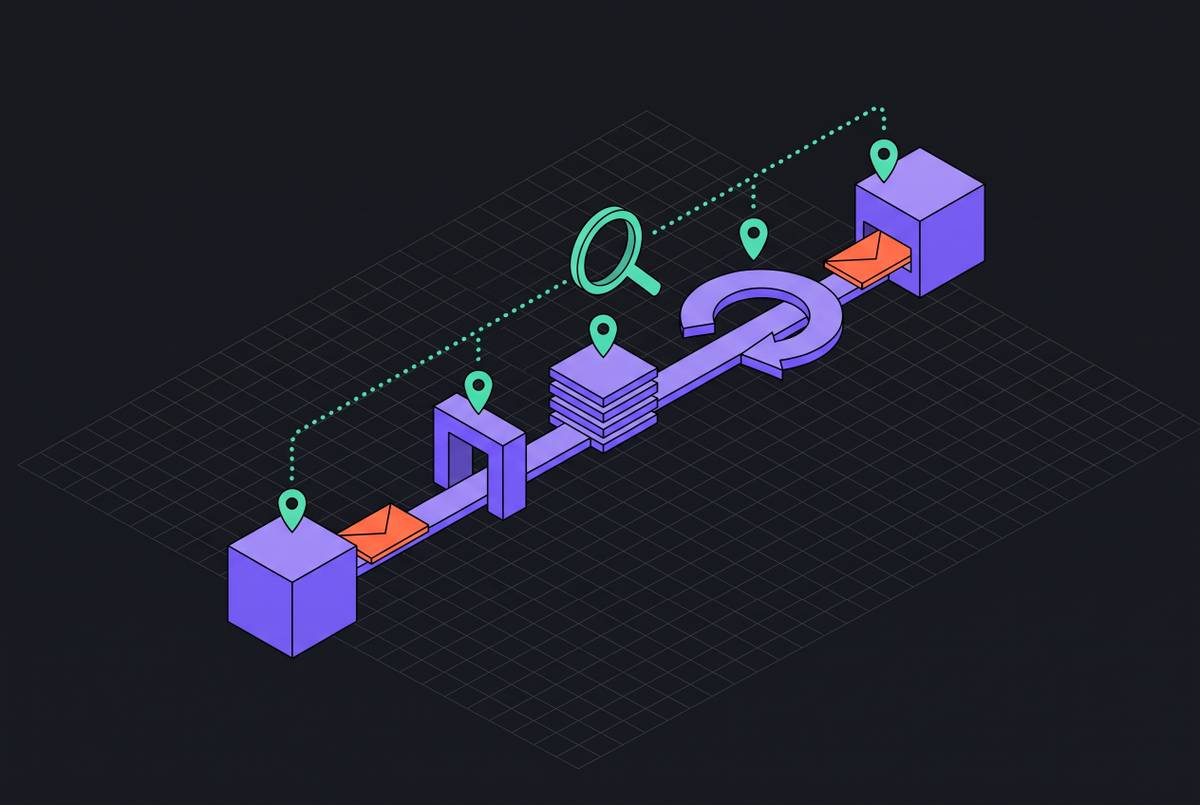
How to Trace a Webhook From Sender to Handler in Production
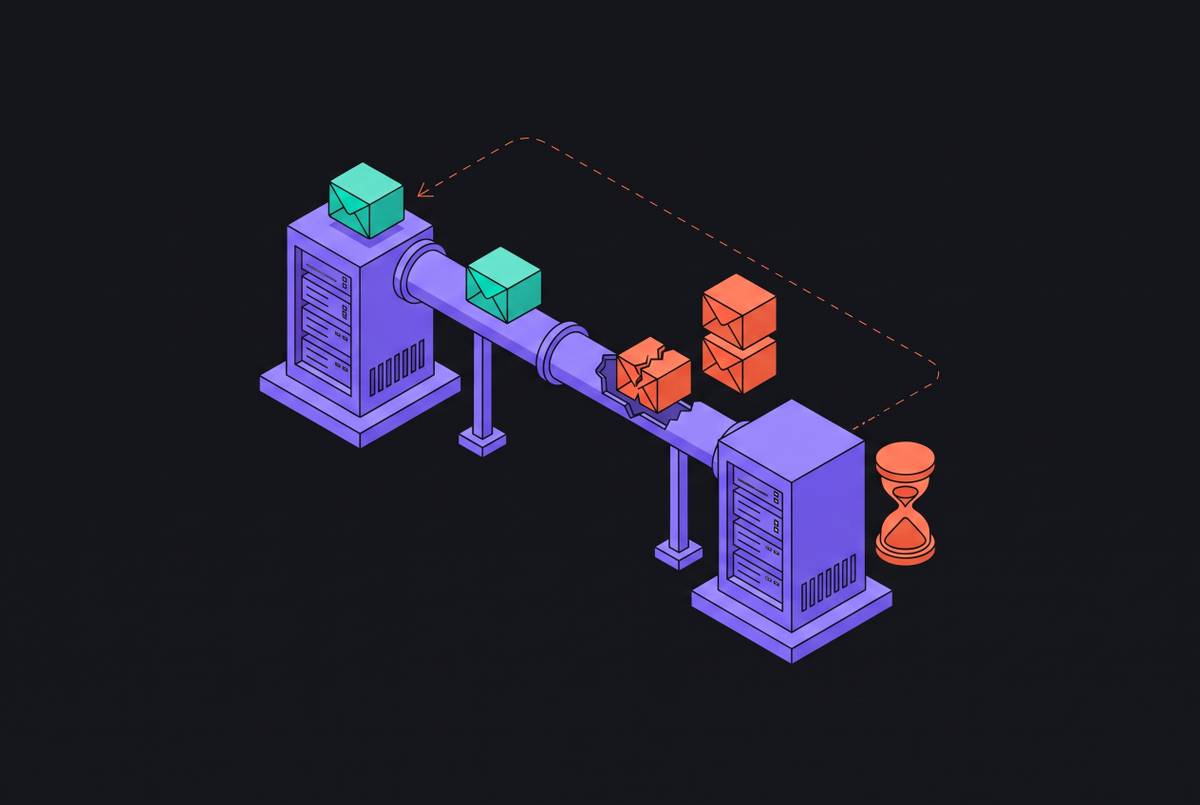
Follow webhooks past HTTP 200 to see if the business outcome actually happened.
Damon Larkin
· 8 min read
Follow webhooks past HTTP 200 to see if the business outcome actually happened.
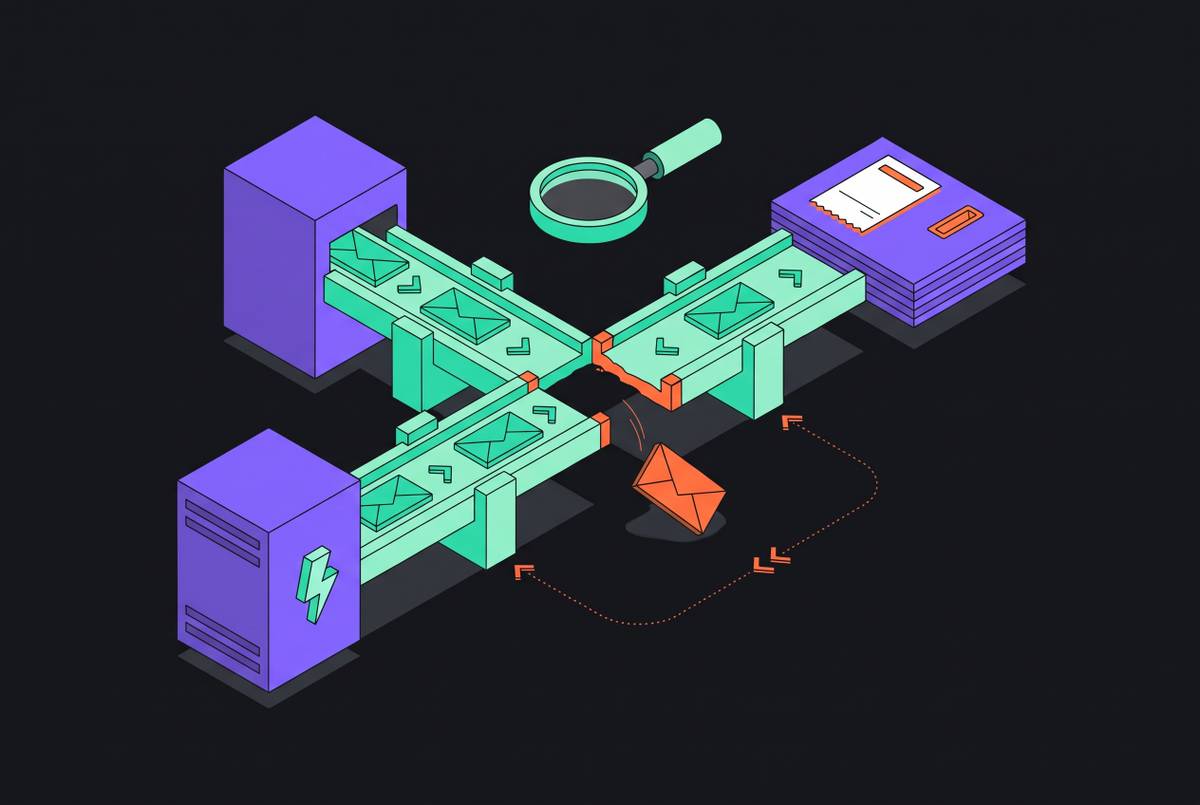
Design webhooks with retries, idempotency, and durable queues to prevent production failures.
Diagnose missing payments by checking signature verification, idempotency, and event routing.
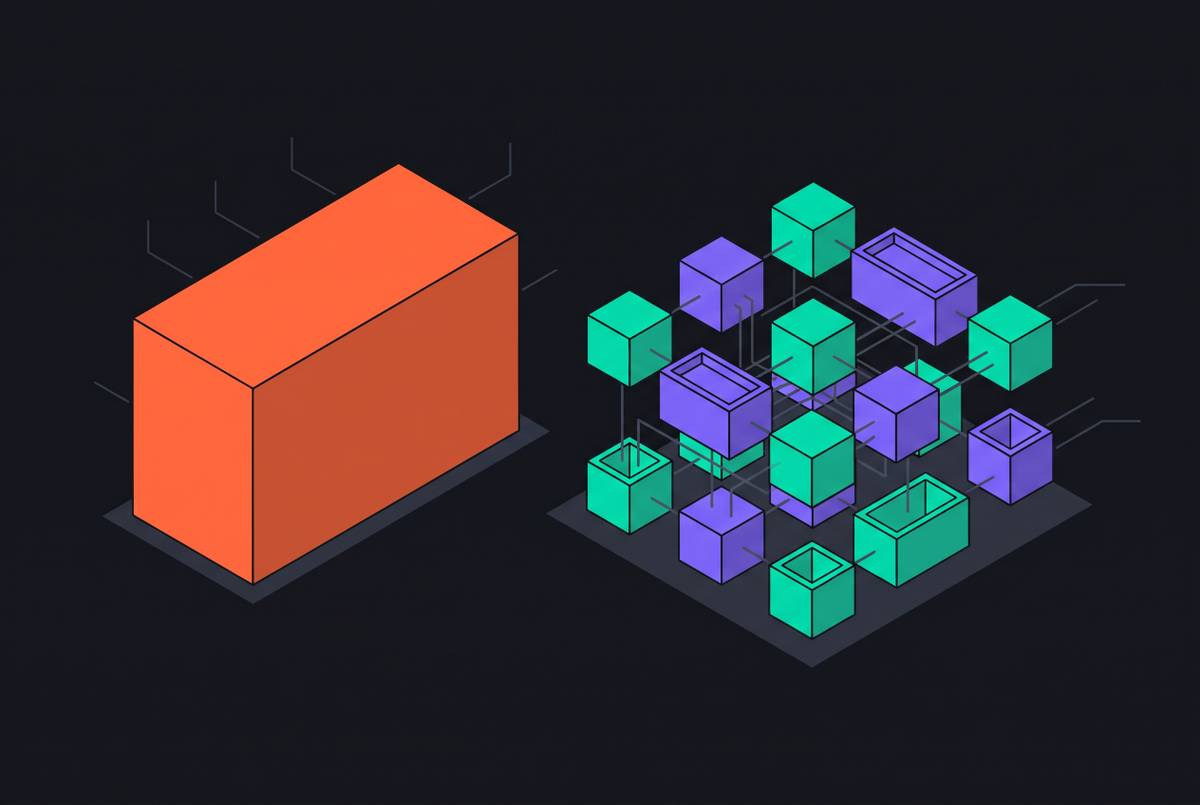
Keep service boundaries aligned with stable product boundaries, not premature scaling hunches.
Claude translates user intent into structured API calls through a stateless protocol contract.
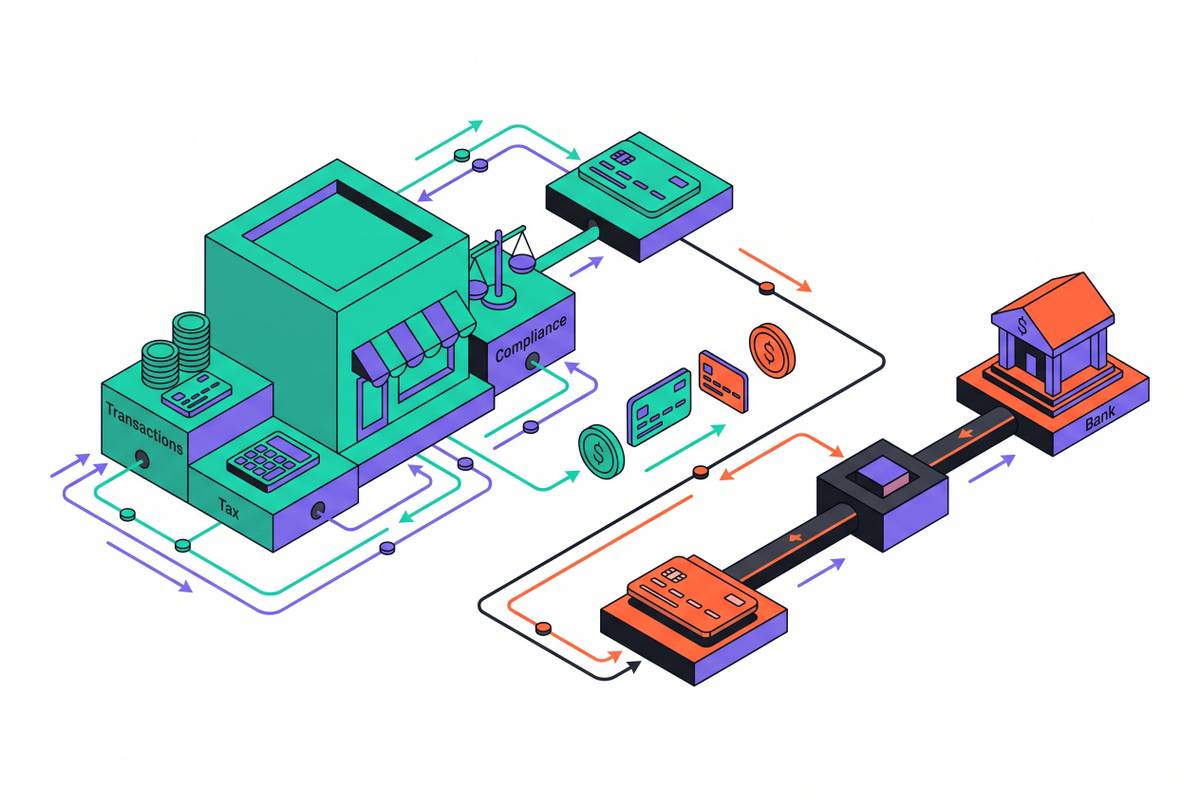
Choosing between them determines who owes taxes, handles chargebacks, and faces compliance risk.
Microservices make sense only when your team faces a specific constraint worth solving.
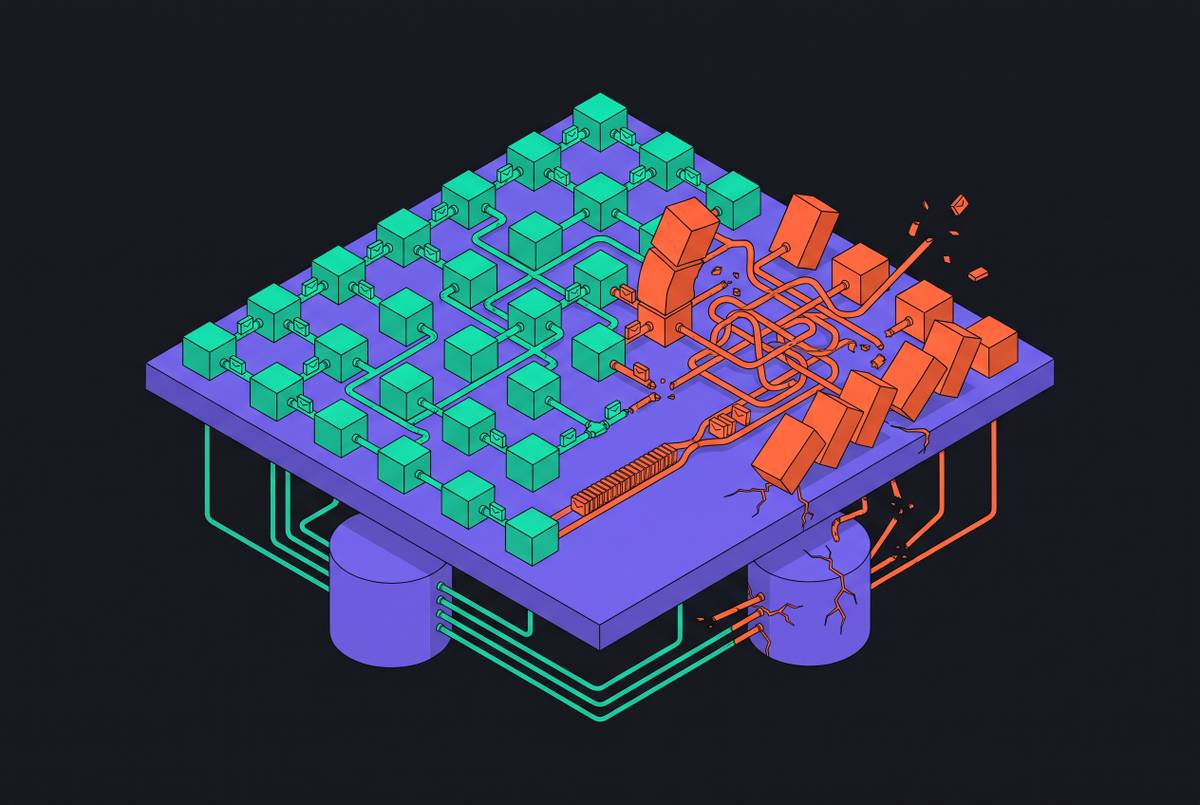
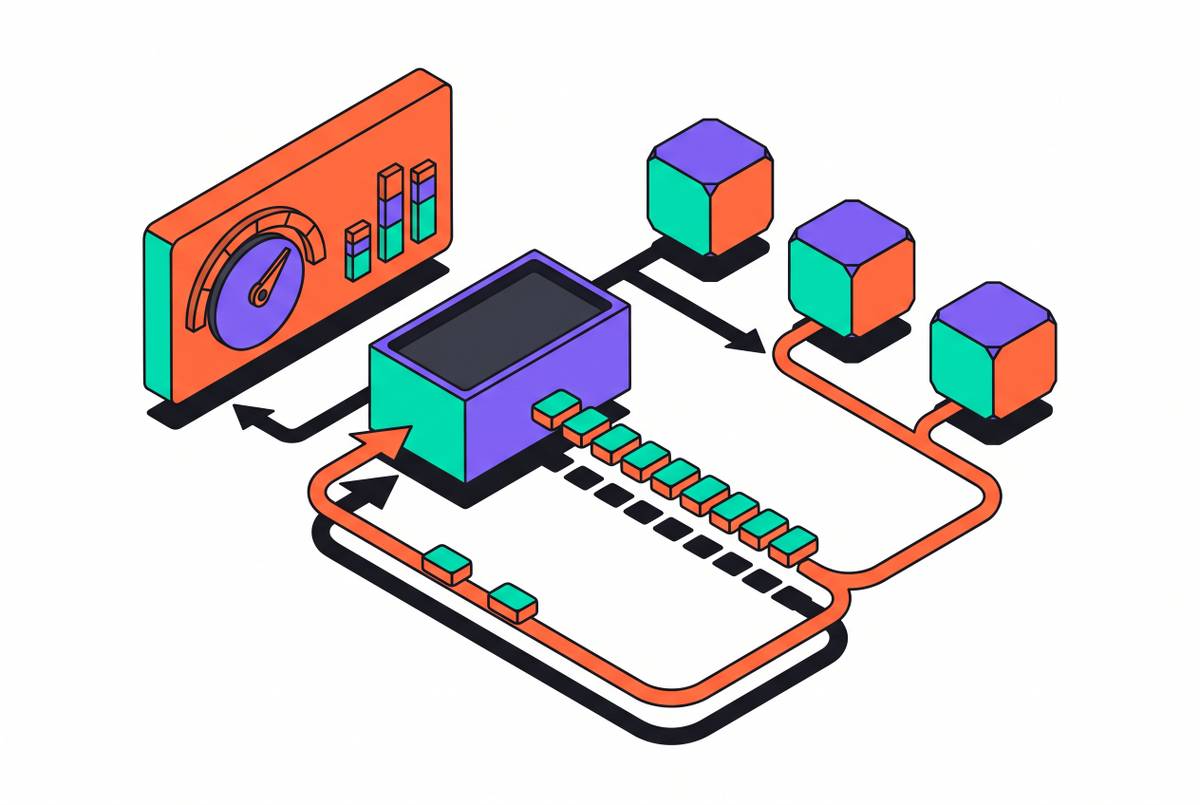
Webhooks at scale demand durable storage, idempotency, and replay—not just working endpoints.
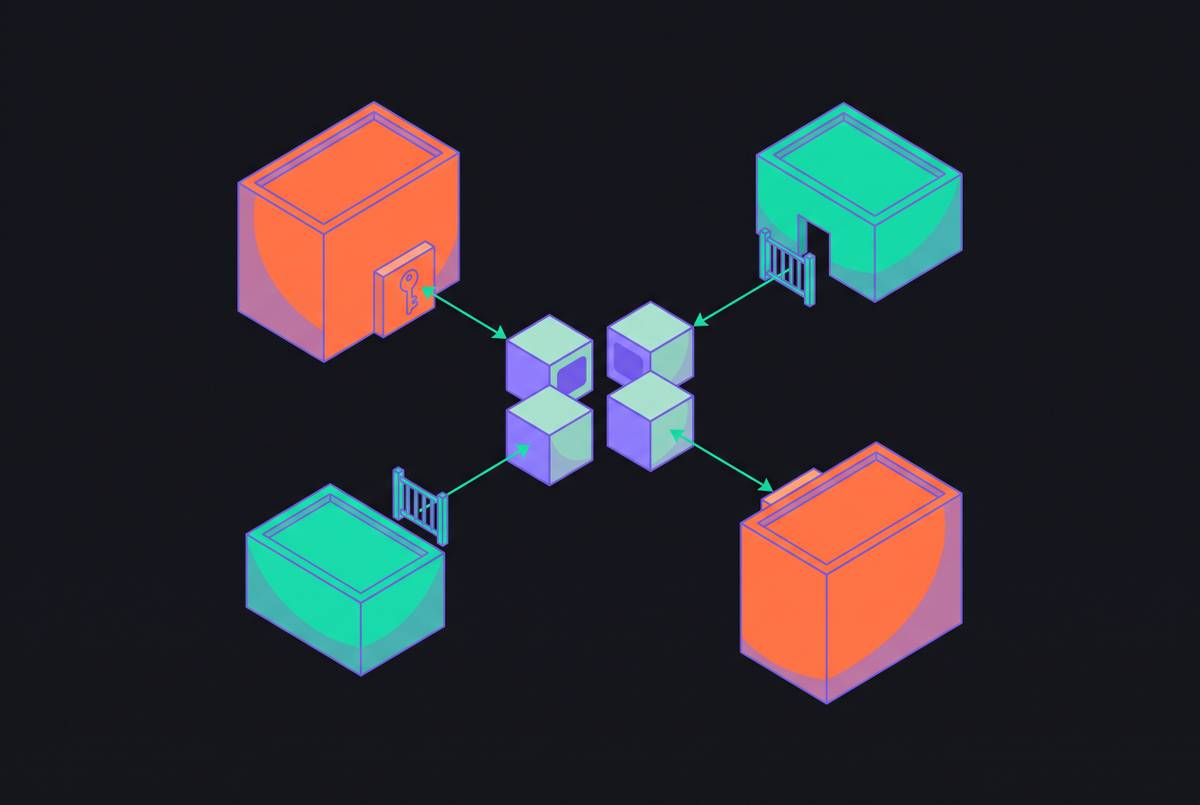
Agents need per-identity credentials and database-level tenant enforcement, not just role limits.
OSS simplifies EU VAT for SaaS, but your customer mix determines if it's enough.
MCP standardizes tool access while LangChain orchestrates reasoning—each solves a different problem.
Bind agent actions to tenant, user, and task scope through token narrowing and runtime checks.