Least-Privilege Access Patterns for AI Agents Across SaaS Tenants
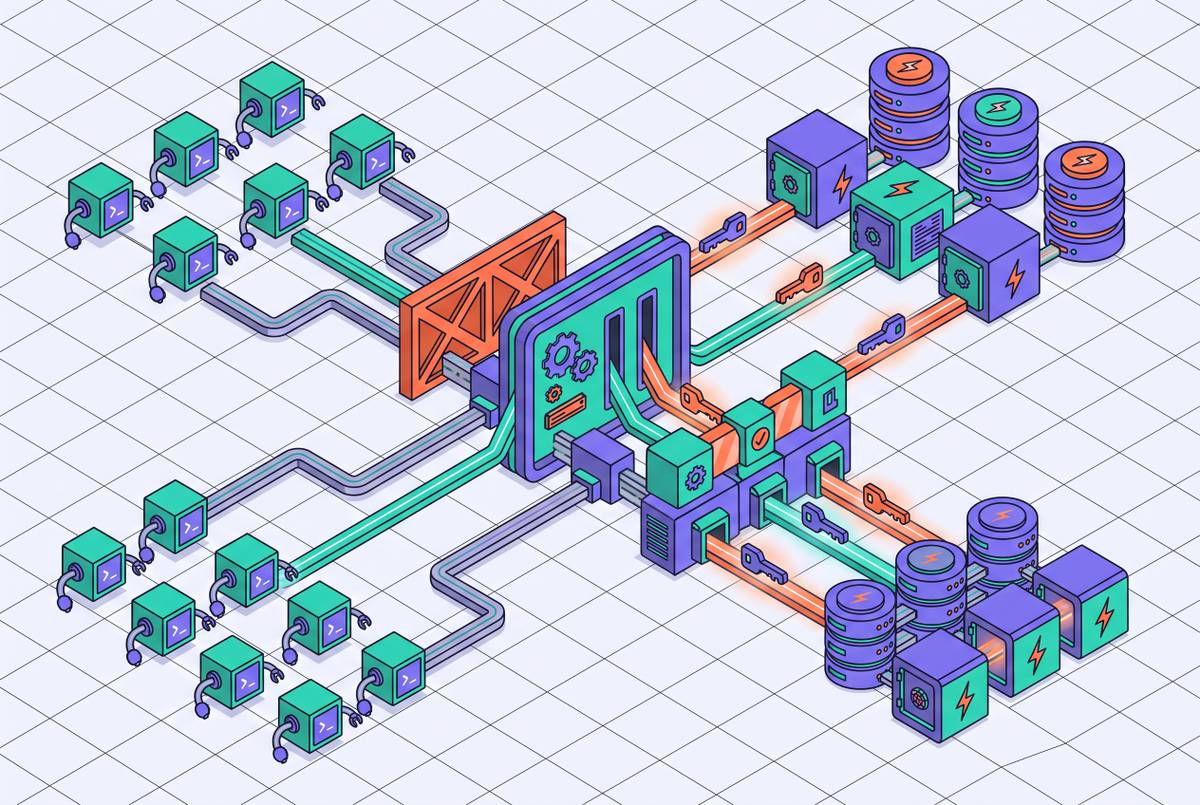
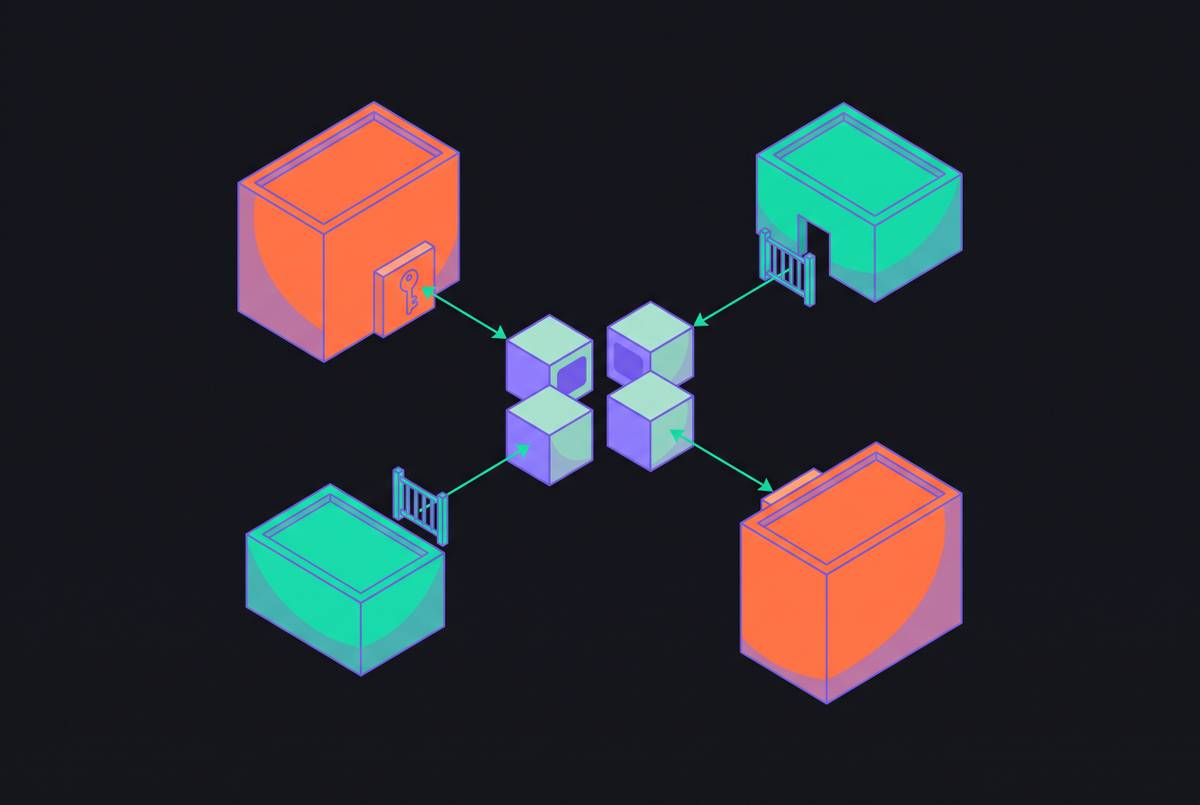
Agents need per-identity credentials and database-level tenant enforcement, not just role limits.
Alma Trevino
Section
15 stories in AI Agent Infrastructure for SaaS.
Agents need per-identity credentials and database-level tenant enforcement, not just role limits.
Backends must make identity, permissions, data, and events explicit for Claude MCP tools.
Regulators are enforcing GDPR against agents that lack session-level transparency.
Use spans and evaluation loops to catch agent errors that traditional monitoring misses.
AI agents shatter seat-based pricing, forcing SaaS founders toward usage or outcome billing.
Backend access turns prompt injection from an embarrassment into a data breach.
AI agents need idempotent webhook handlers to survive duplicate deliveries from impatient senders.
Billable-unit design shapes how customers understand and budget for AI agent workloads.
Trace trees and cost attribution reveal what generic monitoring hides in multi-step agent failures.
Build agent systems on open protocols to survive vendor price hikes and API deprecations.
LLMs need persistent memory layers to function as production agents across multiple sessions.
AI agents need identity, entitlements, and metering unified in one system, not bolted together.
Design your internal APIs for unpredictable clients, not deterministic code.
Fixing agent failures means rearchitecting your backend, not upgrading your model.